TL;DR: A hybrid solar inverter paired with a lithium-ion battery provides seamless backup power during grid outages while still reducing your electricity bill. For UP cities facing frequent power cuts, a 3kW to 5kW hybrid solar setup is the most reliable long-term energy solution.
What Is a Hybrid Solar Inverter?
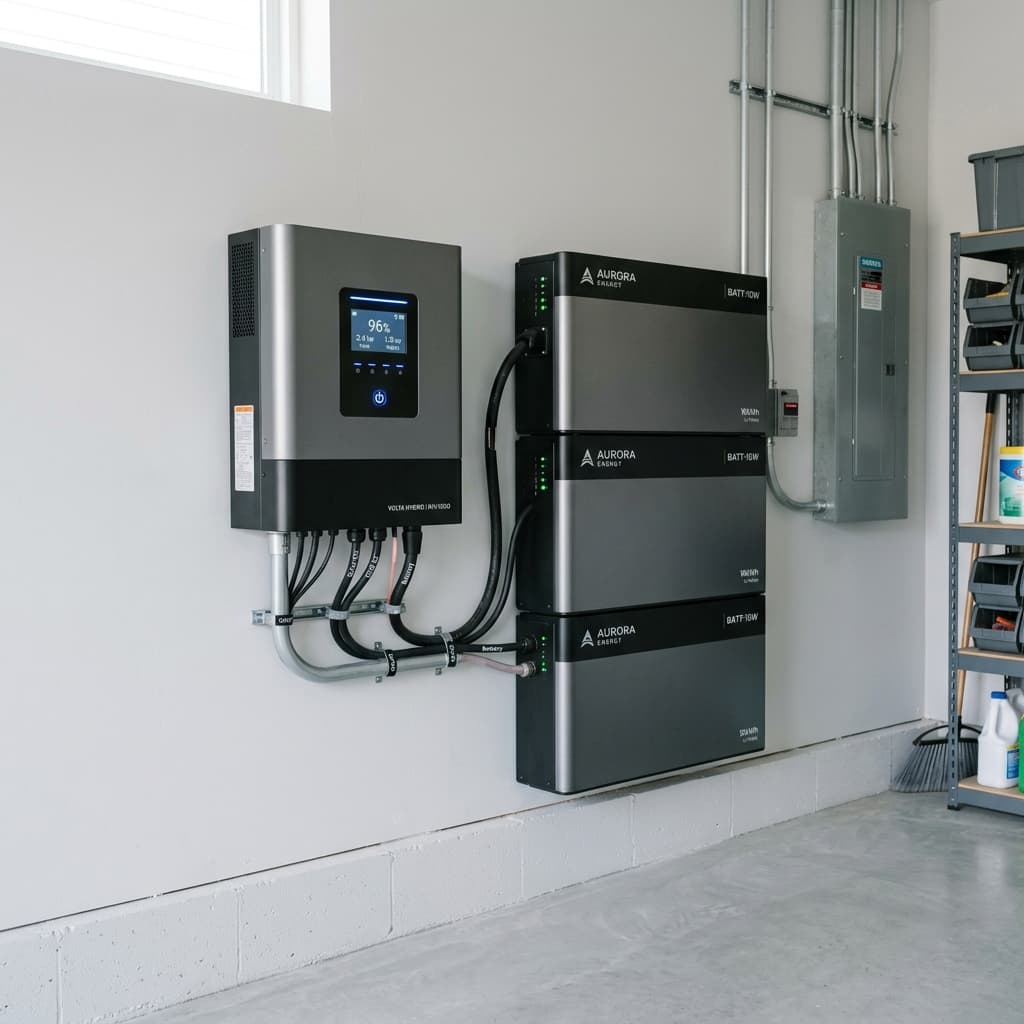
A hybrid solar inverter is an intelligent device that simultaneously manages power from solar panels, the electricity grid, and a battery bank to ensure uninterrupted power supply. It provides the bill-saving benefits of an on-grid system with the backup security of an off-grid system.
Why It Matters in Uttar Pradesh
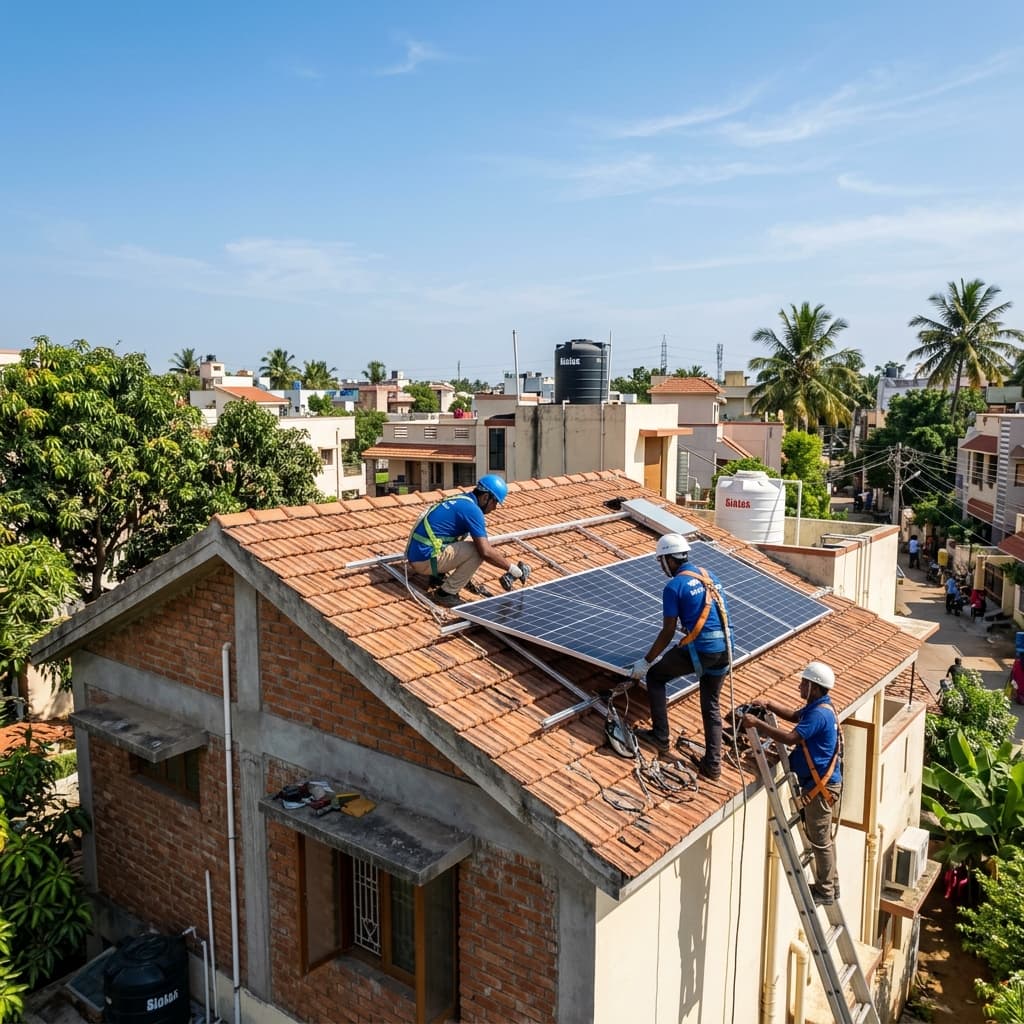
While major cities like Lucknow have improved power reliability, many tier-2 and tier-3 cities in UP still face frequent scheduled and unscheduled power cuts. A standard on-grid solar system shuts down during a power cut for safety reasons, making a hybrid setup essential for uninterrupted living.
How It Works
Hybrid systems act as the central brain of your home's energy grid.
Priority Power Routing
The inverter prioritizes solar power for home loads. If solar isn't enough, it pulls from the battery, and uses the grid only as a last resort.
Battery Charging
During the day, excess solar energy charges the battery. Once the battery is full, additional excess power is exported to the grid for net metering credits.
Blackout Operation
When the grid fails, the inverter instantly switches to battery and solar power, keeping your essential appliances running without a glitch.
Practical Steps to Choose a Setup
1. Identify Critical Loads: List appliances you must run during a power cut (fans, lights, fridge, 1 AC).
2. Select Battery Chemistry: Choose between Lithium-ion (longer life, compact) or Lead-acid (cheaper upfront).
3. Size the Inverter: Ensure the inverter's surge capacity can handle starting your AC or water pump.
Comparison: Hybrid vs. On-Grid vs. Off-Grid
| Feature | On-Grid System | Off-Grid System | Hybrid System |
|---|
| Works During Power Cut? | No | Yes | Yes |
|---|---|---|---|
| Exports to Grid (Net Metering)? | Yes | No | Yes |
| Battery Included? | No | Yes | Yes |
| Cost Level | Lowest | Medium | Highest |
Common Mistakes
- Using old lead-acid batteries: They degrade quickly under heavy load. Lithium batteries offer 3x the lifespan and faster charging.
- Connecting heavy loads incorrectly: Trying to run a 2-ton AC on a small 3kW hybrid inverter will cause the system to overload and shut down during an outage.
FAQ
Why does an on-grid solar system stop working during a power cut?
On-grid systems shut down during power cuts as a safety mechanism called anti-islanding, which prevents the inverter from sending electricity into grid wires while linemen are working.
Are lithium batteries better for solar systems in UP?
Lithium batteries are significantly better because they charge faster from solar panels, last up to 10 years, and require zero water maintenance in UP's hot climate.
Can a hybrid solar system get the PM Surya Ghar subsidy?
Yes, hybrid systems are eligible for the PM Surya Ghar subsidy in Uttar Pradesh, provided the panels and inverter meet MNRE specifications and net metering is installed.
How much battery capacity do I need for a 3kW system?
A standard 3kW residential system typically requires a battery bank between 4.8kWh and 5.1kWh to comfortably run basic home loads through the night or during long outages.
Will a hybrid system completely disconnect me from UPPCL?
No, a hybrid system remains connected to the UPPCL grid to export excess power and draw backup power during prolonged cloudy days when the battery is empty.
Conclusion
Investing in a hybrid solar inverter and a modern battery setup ensures that your family never has to deal with summer power cuts again, all while drastically cutting down your monthly UPPCL bills.